The History of Multiplayer Games: From Real Tables to Online Play
Anna | May 10, 2026
Multiplayer games are much older than computers, consoles or the internet. Long before anyone clicked “Play Online,” people were already sitting across from each other, moving pieces, rolling dice and trying to outsmart their opponents. The setting was different, but the feeling was familiar: one person makes a move, another responds and suddenly a simple game becomes a shared moment.
That is the real power of multiplayer games. A single-player game can be relaxing but another human player adds tension. People bluff, hesitate, take risks, make mistakes and surprise you. That unpredictable human element is why games have brought people together for thousands of years.
Ancient Games Started the Tradition
Some of the oldest known multiplayer games date back more than 5000 years. Ancient Egyptians played Senet, a board game with pieces that moved across a grid. In Mesopotamia, people played the Royal Game of Ur, which mixed racing, luck and strategy. These games may look simple today, but they already had the ingredients we still recognize: rules, turns, chance, decisions and the excitement of beating another player.
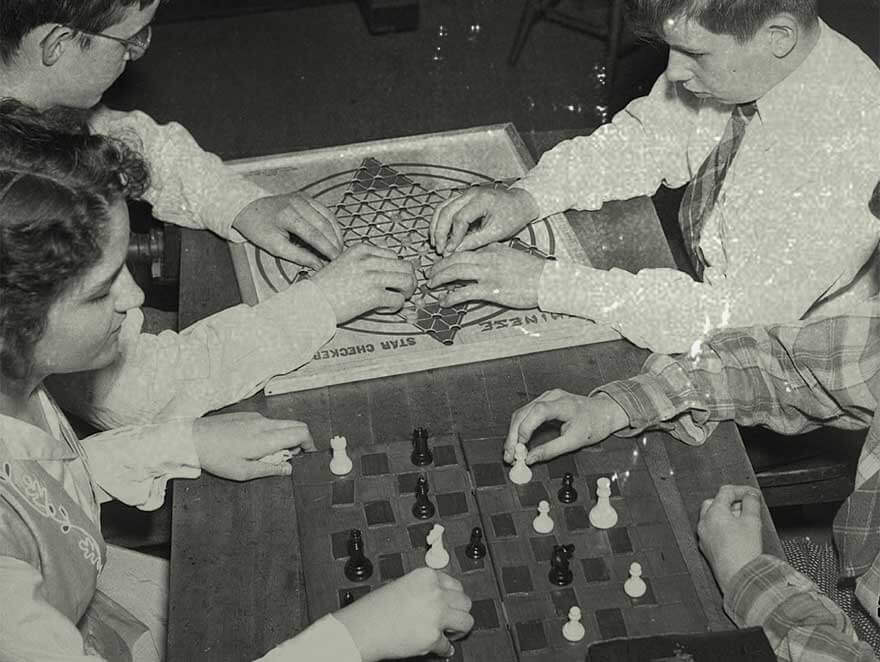
Later, games became more strategic. Go developed in China more than 2500 years ago and is still considered one of the most complex board games ever created. Chess grew from earlier Indian and Persian games before becoming popular across Europe. Checkers has similarly ancient roots, with boards resembling the game found in Iraq dating back to around 3000 BC. These games showed that multiplayer did not need noise or speed to be exciting. Sometimes the tension comes from silence, patience and knowing your opponent is thinking 3 moves ahead.
Dice and Cards Made Games More Personal
Dice brought something different to multiplayer gaming: pure suspense. You can plan carefully, but one roll can change everything. That tiny moment before the dice stop moving has always been powerful. It is why dice games remained popular in homes, taverns and family gatherings for centuries.
Modern dice games still use that same old magic. Yahtzee, for example, is built around a simple idea: roll 5 dice, keep what helps you and try to fill the best scoring box. The strategy is easy to understand, but the emotion comes from those final rolls where everyone watches the dice together. That is why the game still feels good, whether it is played at a real table or online.
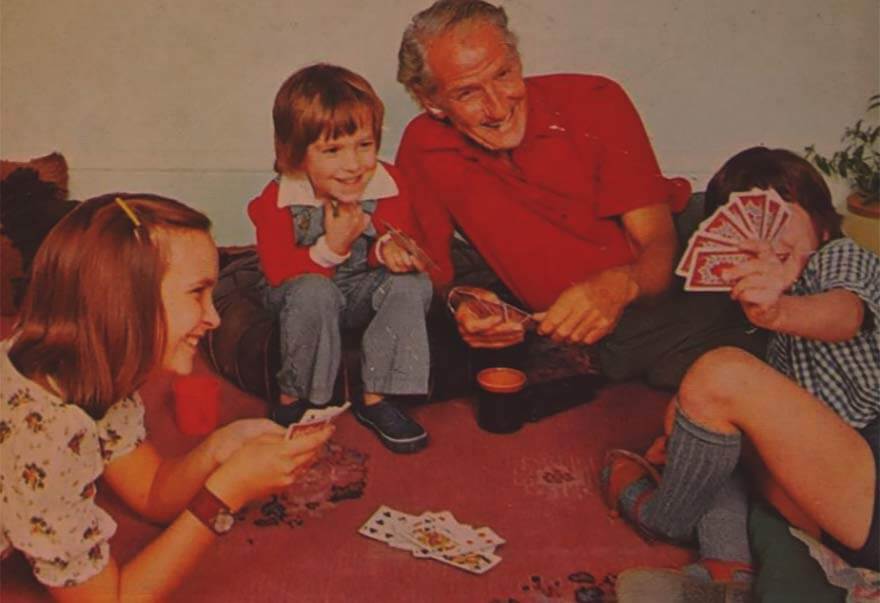
Playing cards changed multiplayer games even more because they added hidden information. You know your own cards, but not the others. That simple difference created bluffing, guessing, memory and mind games. Card games spread widely because a deck was small, cheap and could be used for many different games.
Games like Bridge and Hearts became classics because they are not only about rules. They are about reading the table. Hearts is a good example because the goal is often to avoid points instead of collecting them. The Queen of Spades becomes dangerous, players try to pass trouble to each other and every round has a little psychological battle inside it.
Board Games Made Multiplayer a Family Tradition
In the 19th and 20th centuries, board games became a major part of home entertainment. Better printing and mass production made it possible for families to buy games, keep them in the cupboard and bring them out during weekends, holidays or rainy evenings.
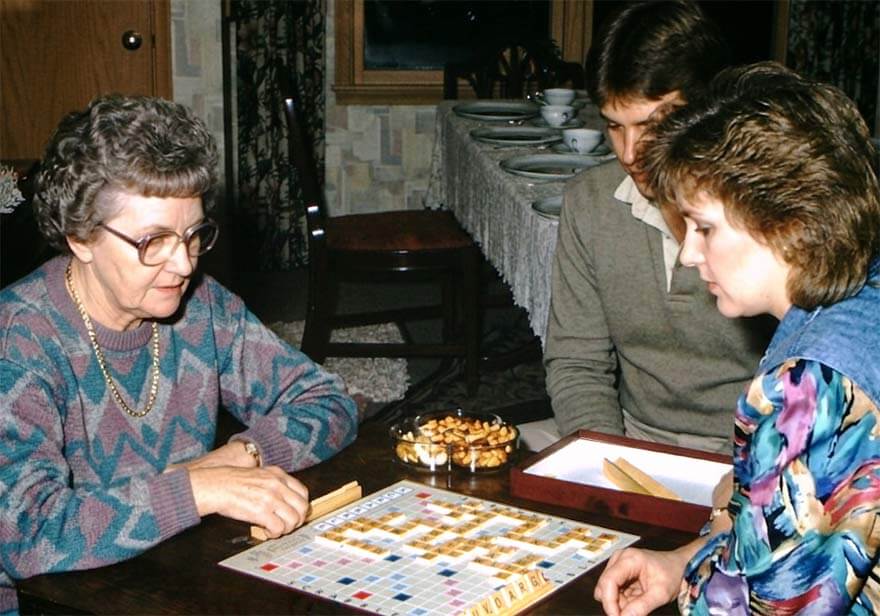
Monopoly, Scrabble, Clue and Risk became household names because they turned a table into a small world. Monopoly created arguments over money and property. Scrabble rewarded clever words. Clue turned deduction into a social mystery. Risk made players form alliances, break them and pretend it was “nothing personal.”
This period is important because it shaped how many people still remember multiplayer games. They were not just products. They were family rituals. A board game could create stories that people repeated years later, usually about a lucky win, a terrible mistake or someone taking the game far too seriously.
Arcades Made Multiplayer Public
Video games changed the tools, but not the basic idea. In the 1970s and 1980s, arcades turned multiplayer into a public experience. Pong was simple, just 2 paddles and a ball, but it proved that 2 people could compete through a screen in real time.
Arcades had a special energy. Players stood side by side, watched each other play and waited for a turn. Fighting games like Street Fighter II and Mortal Kombat made this even stronger. You were not only playing the game. You were challenging the person next to you, sometimes with other people watching.
That made digital multiplayer feel close to older table games. The screen was new but the pressure was still human. Win or lose, your opponent was right there.
Consoles Brought Competition into the Living Room
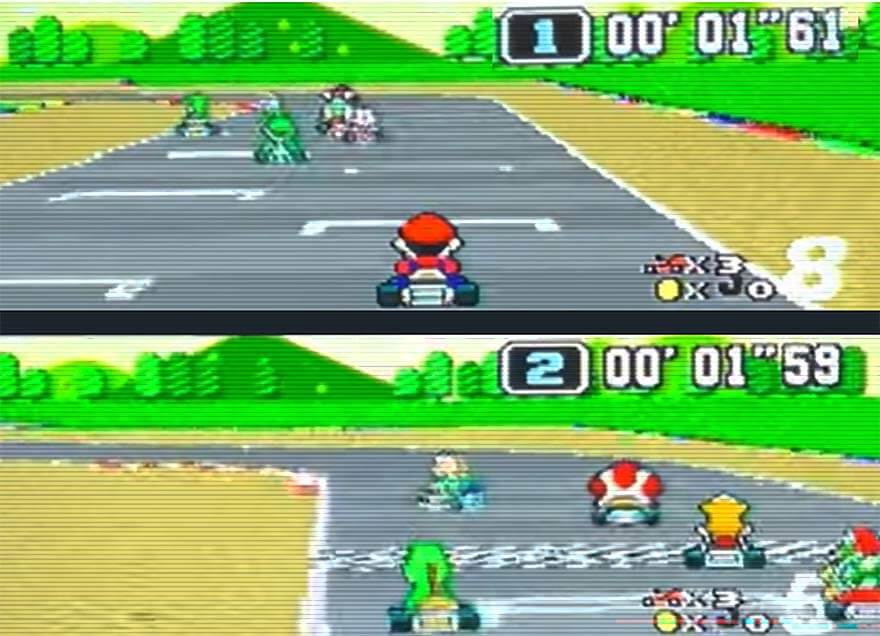
Home consoles brought multiplayer back into the house, but in a new form. Friends could sit on the couch and play together on the same television. Racing games, sports games, fighting games and shooters became part of everyday gaming culture.
Mario Kart, GoldenEye 007, FIFA and many other games became famous because of local multiplayer. The fun was not only in the graphics or controls. It was in the shouting, laughing, complaining and blaming the controller. Split-screen gaming created its own memories, especially when someone looked at the wrong part of the screen or won with a last-second move.
This era proved that digital games could create the same kind of social moments as board games, only faster and louder.
The Internet Changed Everything
The biggest change came when multiplayer moved online. Suddenly your opponent did not need to be in the same room, the same town or even the same country. Games like Quake, StarCraft, Counter-Strike and later many online worlds showed that multiplayer could become global.
This changed the meaning of gaming. Players joined clans, made online friends, built reputations and competed with strangers from around the world. Multiplayer games became places where people returned every day, not just matches they played once.
Massive online games took this even further. In games like World of Warcraft, thousands of players could share the same world. They formed guilds, worked together, traded, fought and built communities. For many players, the social side became just as important as the game itself.
Classic Games Found a New Home Online
While big online games grew, classic multiplayer games also moved naturally to the internet. Chess, Backgammon, card games, word games and dice games all found new life in browsers and apps. The reason is simple: the rules were already strong. They did not need to be reinvented.
Online versions made these games easier to start. You no longer had to gather everyone around a table. You could open a browser, find an opponent and begin. For games like Hearts or Yahtzee Multiplayer, that convenience matters a lot. The familiar feeling stays, but the waiting disappears.
This is especially important for casual players. Not everyone wants a complicated online shooter or a huge fantasy world. Many people simply want a clear, familiar game against a real person. Browser multiplayer is perfect for that because it is fast, simple and available almost anywhere.
What Has Really Changed?
The materials changed from stone and wood to pixels and touchscreens. The places changed from ancient homes and family tables to living rooms and online lobbies. The opponents changed from people sitting opposite you to players on the other side of the world. But the heart of it never changed. People still love testing themselves against a real opponent, and the best moments always come from the person on the other side.